Give Thanks
Thanksgiving is about the food, right? A treasured holiday with a fuzzy past inspires a thought or two.

It’s Thanksgiving week! In a bonus post, let’s dive deep into food.
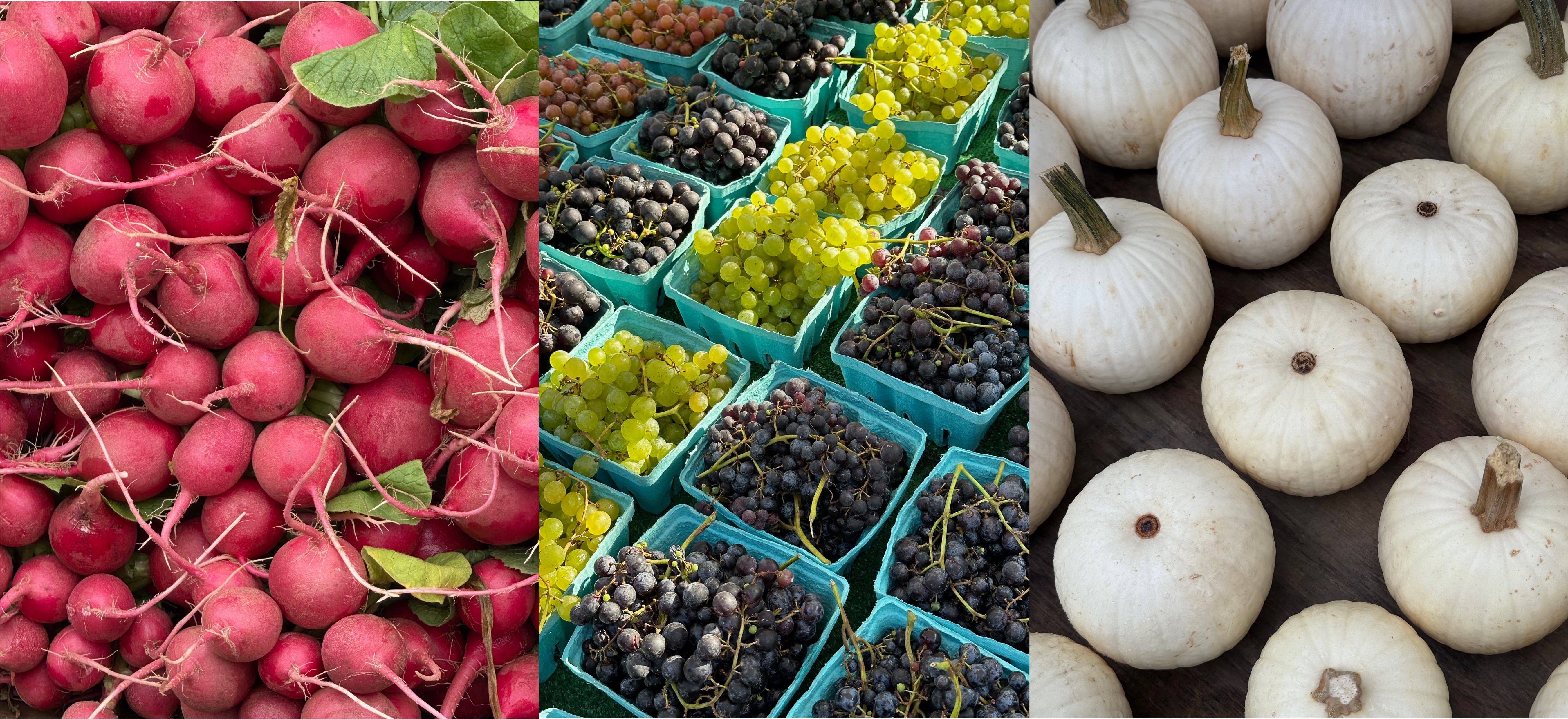
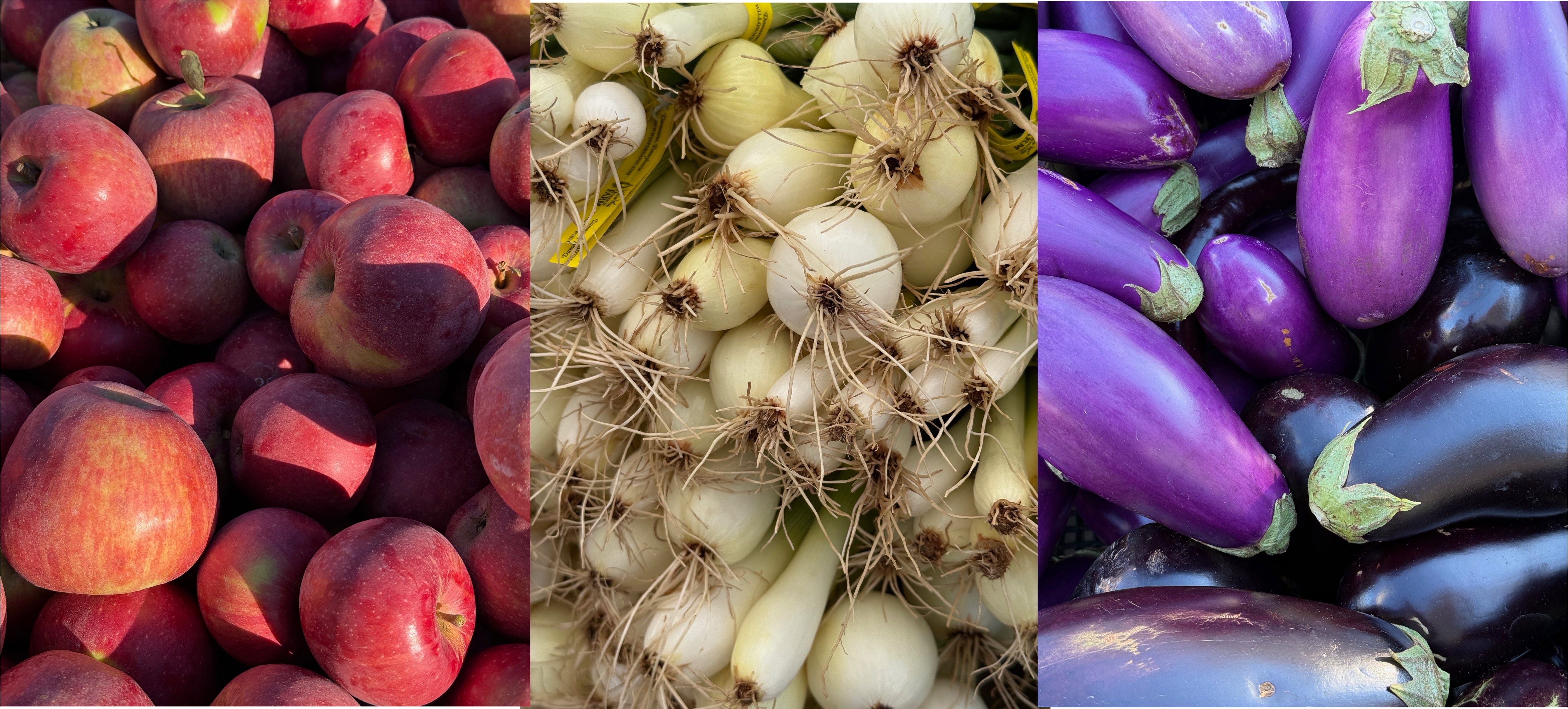
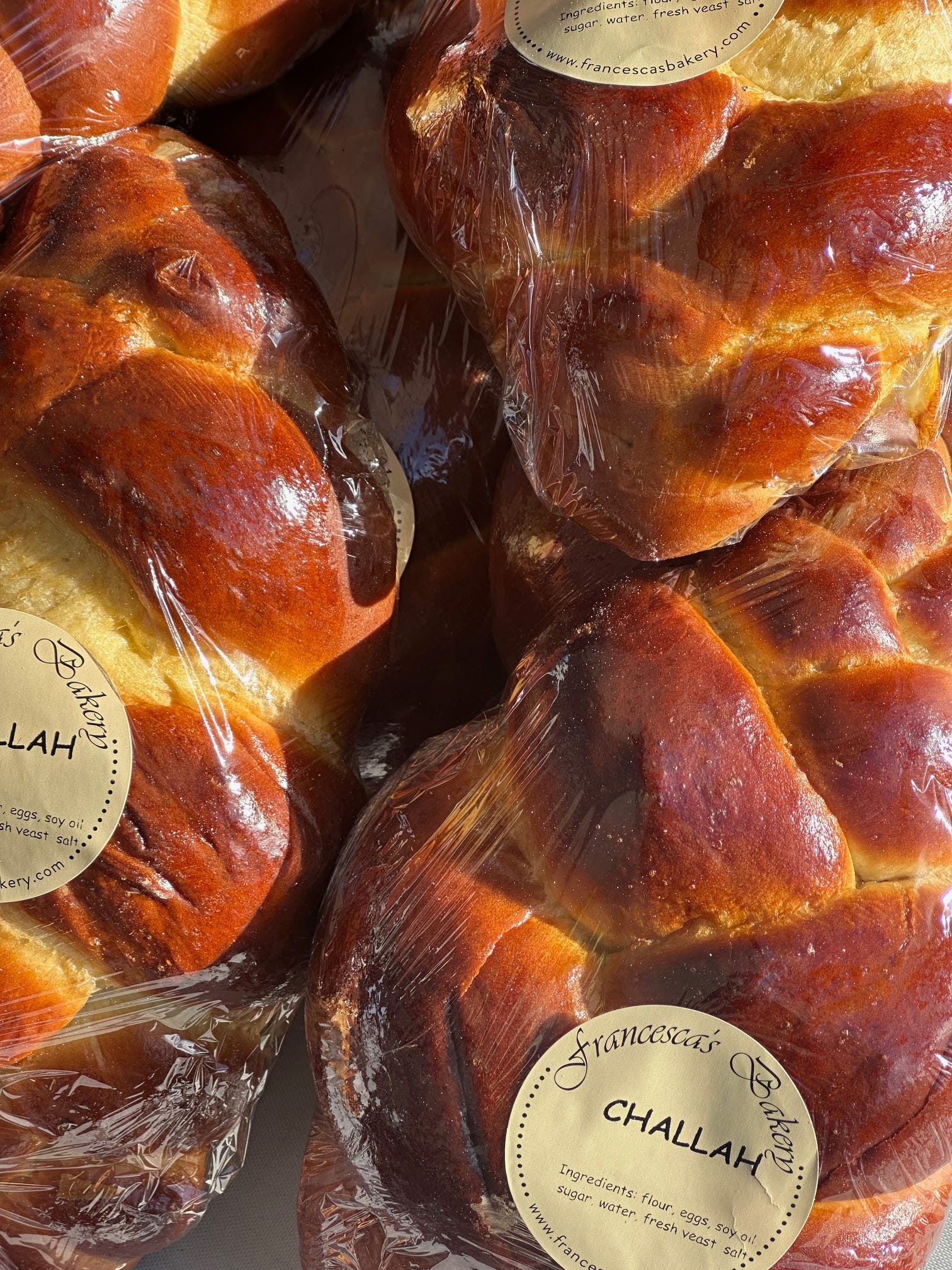
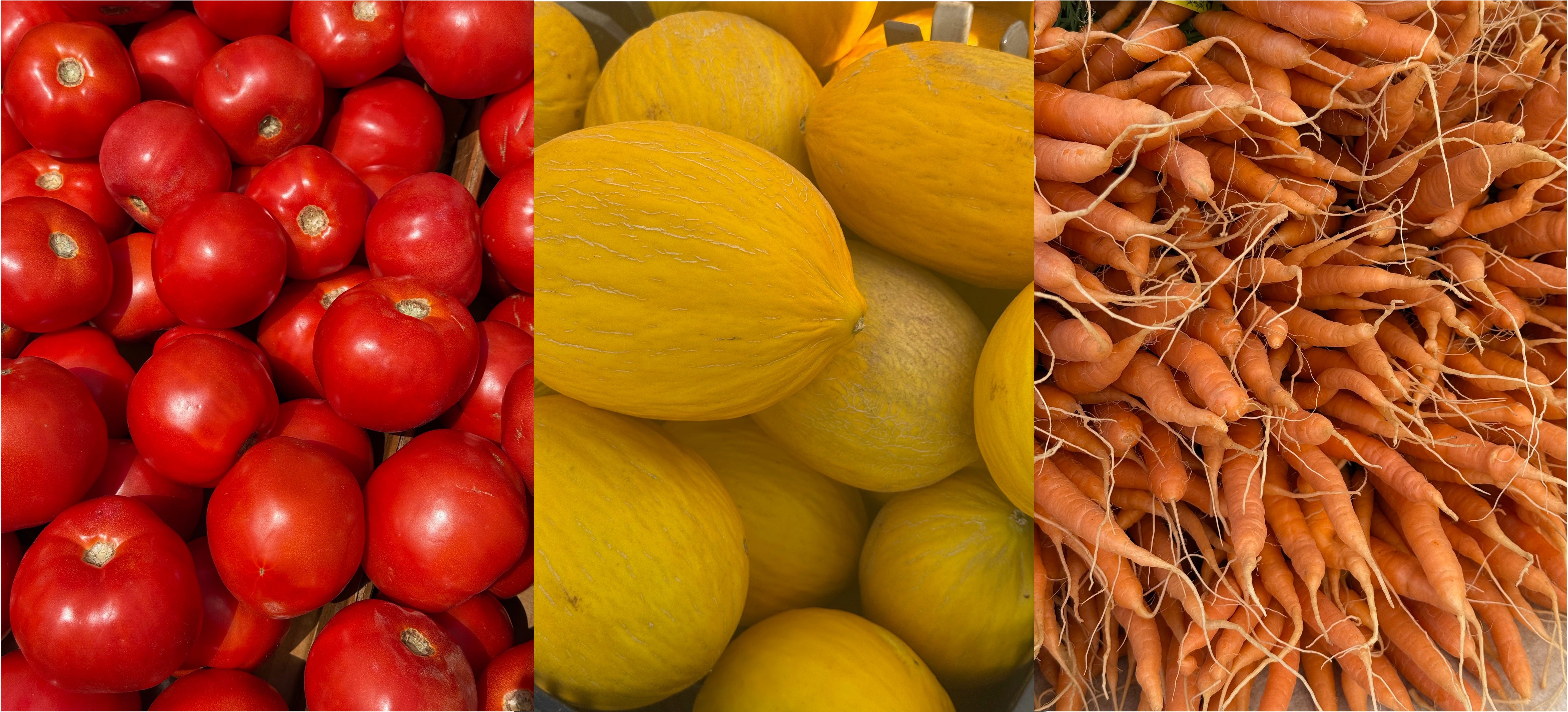
Yesterday I went to the Grand Army Plaza Greenmarket, the framer’s market at the top of Prospect Park. It was gray, chilly morning and it had just rained, but people were out and about picking up a variety of locally sourced produce, meats, cheeses, fresh flowers, and baked goods presumably for Thanksgiving. As I stood in line for challah bread, a tall guy in a down jacket asked the vendor if they had stuffing. No, the girl behind the counter replied. Oh yes, people were definitely there to stock up for the holiday. Panic buying Thanksgiving fixings got me thinking about how food plays a role in culture, especially in film.
I’m not sure I would classify myself as a true gourmand, but I do love to eat. Some of the best meals I’ve had this year were on a holiday weekend (lobster in City Island over Memorial Day weekend), moments of celebration (dinner with loved ones for a birthday and an engagement at Le Veau d’Or), and a few days outside of the city (every bite I had in Portland, Maine). Food is very much connected to emotion and markers of time. Maybe you can remember what you had for your high school graduation dinner or the first time you left the States or that time you finally scored a reservation at Eleven Madison Park (I’ve still never been!). Food is there for us when we feel good, when we feel elated, when we feel disappointed, and when we feel curious. We have comfort foods and cuisines that are new to our palettes, and we have the day to day scrambled eggs that are just right for breakfast or dinner. Imagine if Thanksgiving was solely a day dedicated to hitting pause on work, life, and stress to enjoy a meal of your choice (not everyone likes turkey!) either solo or in the company of others. No parade sponsored by Macy’s, no gluttonous buffets at a restaurant you secretly hate, no running Home Alone style in an airport to get to your Thanksgiving destination, no hypercapatalist need to buy a ton of food to “pig out”, and certainly we can remove the dark history of the actual history of Thanksgiving. I would love to have a day(s) off to simply enjoy a really good quiche or Veal Milanese, no reservations needed.
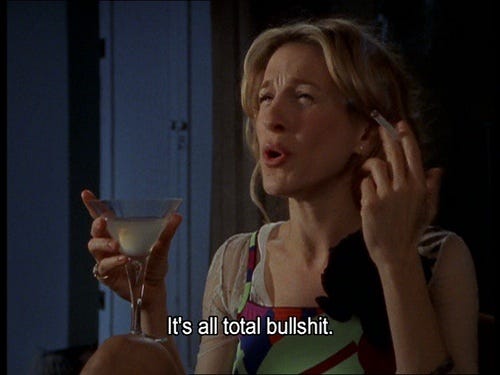
When you think about it, Thanksgiving is a lot like a movie. Pre-production is spent casting (who gets invited), location scouting (who’s hosting), wardrobe sourcing (what the HELL are you going to wear?), and of course grocery shopping (who’s directing the vision of the dinner?). When the production commences, a motley crew of people assemble for a brief moment in time to share an experience and just like that, it’s another day that has passed just as quick as it came. The output of Thanksgiving are memories (good and bad), just like how movies hold a place in our memories. A Thanksgiving meal can be rich in flavor and over the top (like a movie), or it can be a deeply personal new twist on how to celebrate (like a movie). Thanksgiving is total revisionist history, because no it wasn’t a pleasant exchange of cultures between the colonizers and the indigenous people of the newly discovered Americas. The past is often defined by how we choose to remember things, and no other medium demonstrates that idea better than the movies.
With Turkey Day only a few days away, I thought I’d share a few of my favorite movies where food plays a major role. What could be more delicious?
The Taste of Things (2023), directed by Trần Anh Hùng
In my 20’s, I had a preference for watching movies late at night. Now, nothing gives me more pleasure than watching movies very early in the morning. I think I watched Trần Anh Hùng’s The Taste of Things at 8:00AM on a Saturday. It ended up being the perfect time of day to watch a movie where in the first forty minutes or so, we watch Juliette Binoche in period attire make the most sumptuous multi-course meal. Set in late 19th century France, Binoche stars as, Eugénie, a cook who’s involved romantically (Benoît Magimel) with Dodin, a man who enjoys a well made meal (Benoît Magimel). At one point, Dodin returns the favor and prepares a meal for her that includes oysters, champagne, and a special dessert. Food for this culinary pair is identity, an act of love, a respected creative expression, and a measure of the specialness of their relationship. See it for that opening sequence (it’s unlike anything I’ve ever seen in a movie), and stay for a moving relationship drama about two people trying to find what works for their version of love and a happy ending.
I am Love (2009), directed by Luca Guadagnino
Food is pleasure. No one else can eroticize the act of eating prawns quite like Luca Guadagnino. In I am Love, Emma (perfectly played by Tilda Swinton) a wealthy Milaense woman, by way of Russia, falls for a hunky chef, Antonio ((Edoardo Gabbriellini). He’s the perfect antidote to her life of well manicured expectations and a business-like marriage. Emma discovers who she really is and what she really likes not only through the hot sex she has with Antonio, but through what he can communicate to her through his food. When she sensually eats his prawns, she’s given permission to awaken to the possibilities of being alive and in love. I’ll have what she’s having!
The Cook, the Thief, His Wife & Her Lover (1989), directed by Peter Greenaway
Secret romances! Brutish mobsters! Heaps of food! Murderous revenge! Table manners! Costumes by Jean Paul -Gaultier! Take all of those things and set them in a French restaurant in London for 124 minutes. Peter Greenaway’s operatic masterpiece The Cook, the Thief, His Wife & Her Lover is a brilliant take down on class and power dynamics between men and woman. This is decidedly the grotesque side of what food culture can be, slick upscale restaurants that function as a dark playground only for the wealthy and morally corrupt, or sometimes both. A pulsating score by Michael Nyman and stellar cinematography care of Sacha Vierny make this film a real feast for the senses, even if it’s hard to digest.
Certain Women (2016), directed by Kelly Reichardt
Kirsten Stewart can eat a cheeseburger like no one else. In Kelly Reichardt’s Certain Women, Stewart’s character, Beth Travis, is a night school teacher and the objection of affection from her student, Jamie (Lily Gladstone at her best), a ranch hand yearning for connection. They meet at a diner after class a few times where Beth does the majority of the talking over a simple bowl of soup, a grilled cheese, and a burger. Milkshakes play a role in one of the other stories in film featuring Laura Dern and Jarred Harris. This sweet treat is a kind offering between a lawyer and a man she can’t help. All of this simple diner fare is food you can get in Anytown, America. The food in this film is most noticeably present during moments of tenderness, the perfect balm between strangers.
Willy Wonka and the Chocolate Factory (1971), directed by Mel Stuart
As a child I was head over heels for Willy Wonka and the Chocolate Factory. A movie about children who get to eat all of the candy that their heart desires? Sign me up! As an adult, my reading of the film has shifted to look a little deeper at a candy land that is ripe with excess and hollowness. One of the children in the film literally balloons for eating too much. Willy Wonka is a cautionary tale about the emptiness of desire, the effects of poor parenting on children, and the vast discrepancy of wealth inequality (the kids in the film are either very rich and entitled or very poor and humble). But of course it’s deliciously disguised as an innocent children’s film. Food is everywhere in Willy Wonka, which after a bite it turns out it’s actually temptation that’s all around us. Nothing tastes better than chocolate served with a side of a morality tale.